Sign in. It’s quick, free and it’s up to you.
An account is an optional way to support the work we do. Find out more.
Sign in. It’s quick, free and it’s up to you.
An account is an optional way to support the work we do. Find out more.
LAST UPDATE | 28 Oct

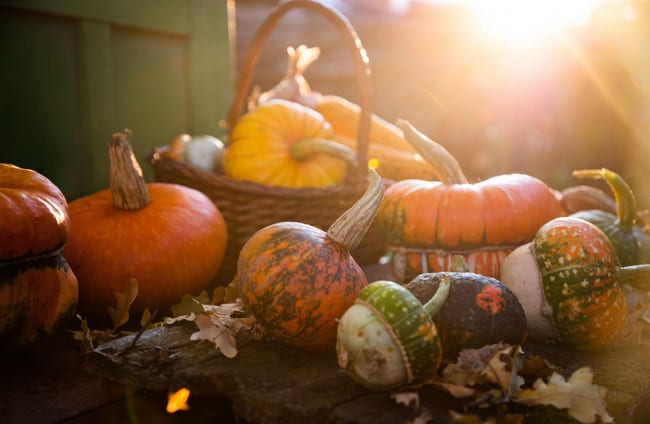
NOT TO GO all boo! humbug and piss in your Halloween punch — I love spooky SZN as much as the next person; I was the dramatic, weird child who lit up for Halloween and turned cold for Christmas — but something particularly haunts me at this time of year: the sheer volume of pumpkins that will be wasted after this weekend.
I can’t think of another ingredient that’s been consigned to such a seasonal prop. An accessory to be purchased, displayed, then discarded. Treated as if as indelible as Play-Doh, yet pumpkin is one of the most nutrient-dense and delicious winter crops.
From the end of summer, pumpkins, alongside gourds and squashes, roll into our supermarkets in big seasonal displays and are priced at a pittance. Some supermarkets sell them so cheaply they must be loss-leaders. I bought one petite but plentiful, beautifully burnt orange pumpkin for 99c in Dunnes Stores this week. Aldi’s medium-sized ones are currently on promotion for the same price.
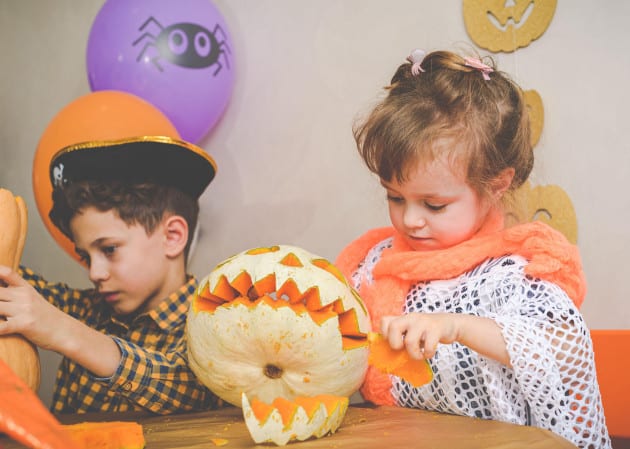
Every year, the pumpkin will be hand-picked in shops by excited little ones, carted home and routinely disembowelled at the kitchen counter or dining table. It will be fashioned by knife into an edifice, running the gamut from cute to terrifying, while a tea light will be placed inside to illuminate its cavernous belly.
 Alamy Stock Photo
This will haunt the doorstep or wall for a week or two in a fun tradition that so many of us grew up on and still cherish. Then come All Souls’ Day, the pumpkin everyone was so eager and excited to get their hands on will generally find itself unceremoniously fecked in the bin, like the stinking leftovers of last night’s takeaway, as the family lays siege to the attic to rescue the Christmas decorations from their 11-month annexation.
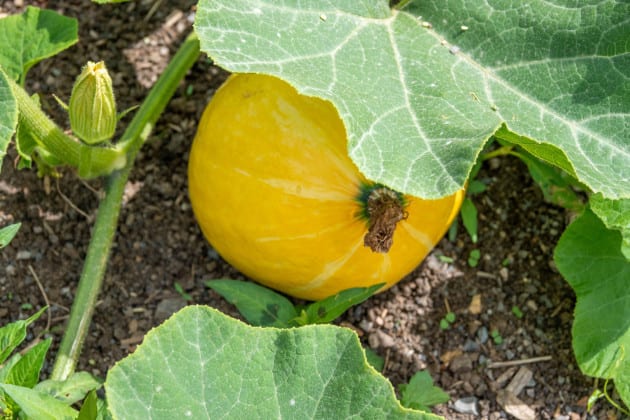
Languishing with the pumpkin at the bottom of the bin is the energy, resources and labour it took to grow, transport and sell it.
I adore the lore of the jack-o-lantern. My heart flutters too for the flashes of seasonal colour and commitment to the spooky bit that the pumpkin has come to represent. The thing is, I can’t partake in the wonder while turning a blind eye to the waste, especially when winter squashes and gourds are fantastic foodstuffs.
I particularly adore the majesty of a crown prince, with its duck egg exterior and its sweet, intense, marigold-coloured flesh. These should be championed as short-season sensations as much as wild garlic, blackberries and chanterelles.
 Alamy Stock Photo
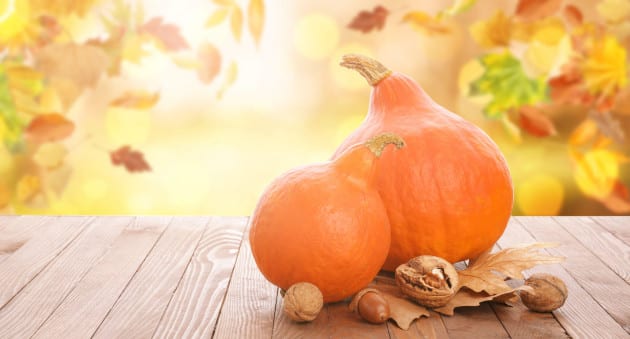
Why are we not eating more pumpkin in general? Why, once 1 November rolls around and Halloween is over for another year, is pumpkin suddenly off the menu in Irish kitchens? These hardy, thick-skinned winter brutes store stupendously well — several weeks, if not months, after purchase, if stored correctly. Winter squashes are incredibly versatile: roasted, puréed, cubed in salads, stirred into risottos, fillings for pastas and pies, spoonfuls swirled through muffins, scones and bread doughs. Endlessly delicious.
The frightening thing is how numb we have all become to the tonnes of pumpkin waste every year, especially while we’re being urged to do our bit in tackling food waste. According to The Environmental Protection Agency, Irish households are the country’s single biggest food waste culprits, on average wasting over 200,000 tonnes of food per annum.
The most recent figures, published earlier this year, report that in 2024 Irish households threw away 219,000 tonnes of food. That equates to roughly 119kg per household, at an estimated cost of €700 per year. Although household food waste has fallen approximately 10% since its 2019 peak, the drop has been modest when compared to other sectors, like primary production, manufacturing and food service.
While specific figures for pumpkin waste are hard to come by, it does fit the bill as a pretty stark example of a foodstuff that never sees the inside of the oven or lands on the dinner table. What’s worse is, for pumpkin, that’s often the intention. If we can re-evaluate how we use a pumpkin, making it more intentional and less wasteful, we can do similar for so many other foods, like bread and bananas, other common victims of food waste.
Consider the farms across the country that can spend up to six months nursing your perfectly picked pumpkin, which you buy for about a fiver or less and stow on your porch for a few days before chucking in the bin.
While we drown in the polyester and plastic of it all this time of year, the pumpkin has been reduced to just another cheap decoration. We can embrace the spooky season without sending perfectly good pumpkins to an early grave.
Patrick Hanlon is an Irish food, travel and culture journalist, and is one half of the award-winning duo GastroGays. He is the author of a new food column, The Feeder’s Digest at TheJournal.ie. More on Instagram.


have your say